

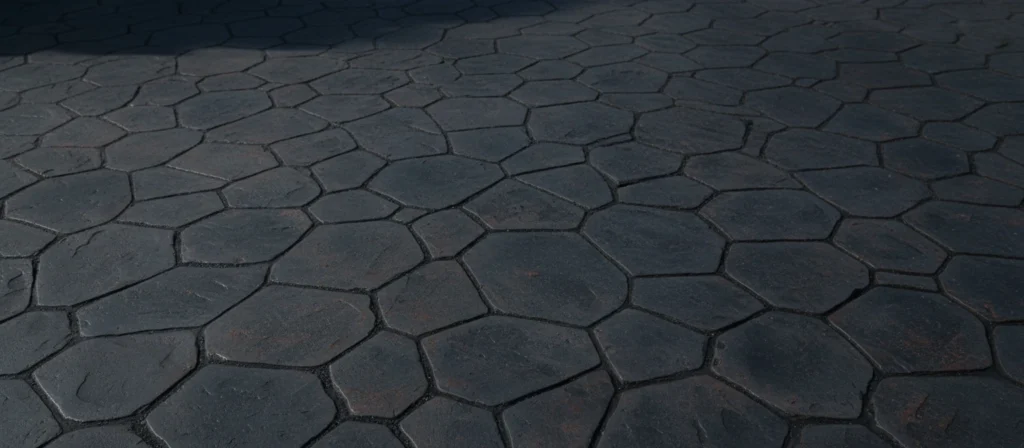
Stamped concrete patterns give property owners a way to upgrade patios, driveways, walkways, and outdoor living spaces without using individual stone, brick, tile, or wood materials. Instead of placing separate pieces one by one, stamped concrete uses fresh concrete that is textured and patterned before it fully cures.
The result can resemble slate, stone, brick, cobblestone, tile, wood plank, or other decorative finishes while still using the strength and practicality of concrete.
For homeowners, builders, and property managers in Denver, choosing the right stamped concrete pattern is not just a design decision. The pattern needs to fit the size of the space, the style of the property, the amount of traffic, drainage needs, color expectations, and long-term maintenance goals.
What Are Stamped Concrete Patterns?
Stamped concrete patterns are created by pressing textured mats or tools into freshly placed concrete. These tools leave impressions that mimic natural or manufactured materials.
Common stamped concrete patterns include:
- Ashlar slate
- Fieldstone
- Flagstone
- Roman cobblestone
- Traditional brick
- Wood plank
- Seamless slate
- Tile-inspired layouts
- Border and accent patterns
Cain Construction Company offers stamped concrete patterns for driveways, walkways, patios, and other outdoor concrete surfaces. The company’s stamped pattern service page also notes that stamped concrete can replicate the look of stone, brick, slate, tile, and other decorative finishes while keeping the durability of concrete.
Ashlar Slate and Fieldstone Patterns
Ashlar slate is one of the most popular stamped concrete patterns because it works with many property styles. It usually features a mix of squares and rectangles with a slate-like texture. The layout feels organized without looking too plain.
Ashlar slate works well for:
- Patios
- Courtyards
- Walkways
- Outdoor seating areas
Fieldstone patterns are more irregular. They imitate the look of natural stone pieces with uneven shapes and varied edges. This can work well for rustic landscapes, garden paths, outdoor living spaces, or properties that already use natural stone.
The decision comes down to how formal or natural you want the finished surface to feel.
Cobblestone and Brick Patterns
Cobblestone and brick patterns are good options when the property needs a traditional or classic look. They can work well for entry walks, driveway borders, courtyards, and areas where the pattern should guide the eye toward the home or building.
Brick-style stamped concrete can create the appearance of running bond, basketweave, or herringbone layouts. Cobblestone patterns usually feel more old-world or historic.
The warning: these patterns need to be scaled correctly. A tight brick pattern may work well on a walkway, while a larger cobblestone pattern may need more space to avoid looking crowded or chopped up at the edges.
Wood Plank Designs
Wood plank stamped concrete is designed to imitate the look of boards, grain lines, knots, and plank spacing. It can be a strong option for patios, outdoor seating areas, and walkways where the owner wants a warmer design without using wood decking.
Concrete does not rot, splinter, or warp the way wood can, but it still needs proper installation, control joints, drainage, and sealing. The mistake is thinking the stamped finish alone makes the project durable. The slab underneath still has to be built correctly.
Seamless Texture Skins
Seamless stamped concrete uses texture without obvious repeating joint lines. Instead of creating the look of individual stones, bricks, or planks, seamless skins give the concrete a continuous surface with natural texture.
Common seamless looks include slate, granite, sandstone, or lightly textured stone.
This can be a good choice for:
- Larger patios
- Commercial courtyards
- Modern outdoor spaces
- Areas where furniture needs a flatter surface
Seamless patterns can also be easier to pair with borders because the main field does not visually compete with a detailed edge pattern.
How to Choose the Right Pattern
The right stamped concrete pattern depends on the project. A pattern that looks good in a small photo may not work on a large driveway or a narrow walkway.
Consider the Size of the Space
Large patterns need enough room to repeat naturally. If the area is too narrow, the stamp may be cut off repeatedly along the edges, making the layout look awkward.
For tight walkways, small patios, or curved paths, smaller patterns or seamless textures often work better. For large patios or driveways, larger slate, stone, or cobblestone patterns may have enough room to show their full effect.
Match the Property Style
Stamped concrete should support the architecture instead of fighting it.
A brick house may not need a brick-patterned patio directly beside it. That can create too much visual repetition or a color mismatch. A slate, flagstone, or seamless texture may create better contrast.
For modern homes, clean textures and simple patterns usually work better. For rustic or mountain-style properties, fieldstone, wood plank, or textured slate may feel more natural.
Think About Traffic and Use
A stamped concrete driveway has different demands than a patio or walkway. Driveways need to handle vehicle loads. Patios need to work with furniture.
Very deep textures may look dramatic, but they can make furniture wobble or create uncomfortable walking surfaces. Flatter patterns or seamless textures may be better for dining areas, commercial walkways, and high-use spaces.
Plan for Drainage
Stamped concrete still needs proper slope and drainage. Decorative texture does not fix poor water movement.
If water sits on the surface, it can create maintenance issues, ice concerns, staining, or premature surface wear. Pattern choice should work with the grading plan so water moves away from the home, building, or high-use areas.
This is where professional concrete installation matters. The finish is visible, but the slope, base prep, and drainage planning are what keep the surface performing.
Choose Color and Pattern Together
Stamped concrete patterns and colors should be selected together. A heavy stone texture with strong accent color will look more rustic. A smoother seamless texture with subtle color variation will look more modern.
Cain Construction Company has separate stamped concrete color combination resources, including recommended combinations for patios, driveways, sidewalks, and other stamped concrete surfaces.
The key is not just picking a color you like. The color should work with the home exterior, landscape, stonework, roof, surrounding concrete, and expected use of the space.
Why Professional Installation Matters
Stamped concrete is not just decorative artwork. It is concrete flatwork with an added finish process. That means the base, forms, reinforcement, concrete mix, placement, timing, stamping, control joints, and sealer all matter.
Poor installation can lead to:
- Uneven texture
- Misaligned stamp patterns
- Cracking in visible areas
- Poor drainage
- Blotchy color
- Peeling or cloudy sealer
- Weak edges
- A finish that looks artificial
Timing is especially important. Concrete has to be stamped during the right window. If it is too wet, the pattern can deform. If it is too hard, the impression may be shallow or inconsistent.
A qualified stamped concrete contractor should understand both the decorative finish and the structural concrete underneath it.
How Cain Construction Company Helps With Stamped Concrete Projects
Cain Construction Company works with stamped concrete patterns for patios, driveways, walkways, and other exterior concrete surfaces in the Denver area. The right approach starts with the site, not just the pattern catalog.
A good stamped concrete project should account for:
- Subgrade preparation
- Drainage
- Concrete thickness
- Surface use
- Pattern scale
- Color selection
- Borders and layout
- Sealing and maintenance
- How the concrete connects to nearby patios, sidewalks, driveways, or hardscaping
Cain Construction Company’s broader concrete work also supports stamped concrete projects because exterior surfaces often connect to other flatwork, hardscaping, driveways, sidewalks, or site improvements.
Request a Quote for Stamped Concrete in Denver
Stamped concrete patterns can improve the look of a patio, driveway, walkway, or outdoor living space, but the pattern is only one part of the project. The best results come from matching the design to the property and installing the concrete correctly from the base up.
Contact Cain Construction Company to discuss your stamped concrete project, review pattern and color options, explore financing options, and request a quote for your Denver-area property.